
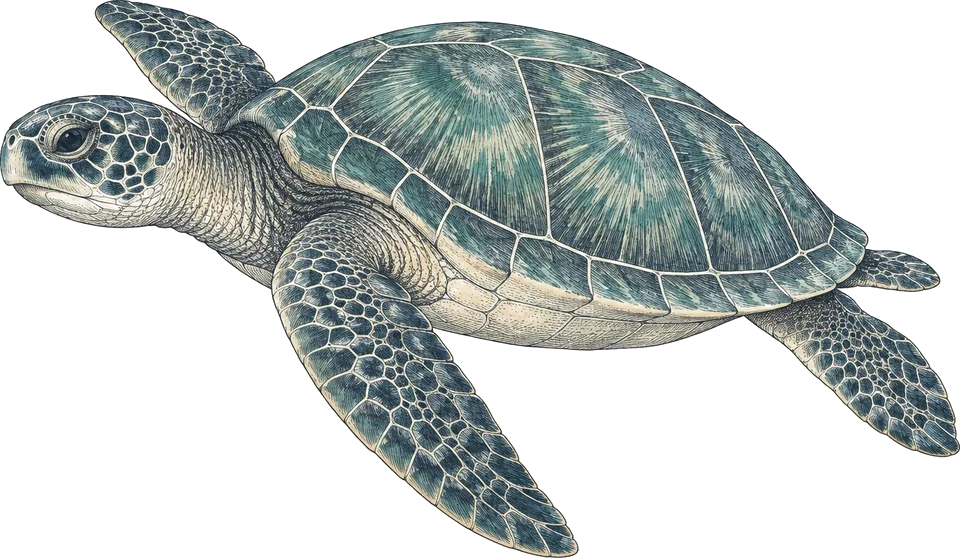
green and hawksbill turtles
All yearChien Tong, Double Wreck, Charles L. Brown
Night dive on the Chien Tong, or shallow reefs by day.1
Common; the Chien Tong night dive is the best bet.
The best time to dive Statia is February to June, when rain is lowest and the water is about 26 to 29 °C. Our storm records peak in August, and Scubaqua may pause diving in September. I'd go in May.
Operators say: February to June; diveable all year except possibly September. Our data stretches the window to January to July and logs the most storms in August.
111 km across · coastline from Natural Earth 10m
Statia's diving is a mix of colonial history, modern wrecks and old lava flows from the Quill volcano. The St. Eustatius National Marine Park, set up in 1996, covers the coast to the 30 m contour, with 36 official sites, most five to ten minutes from the harbour at Oranjestad. Off the old town lie ballast stones, anchors and cannon from sailing ships at Double Wreck and Triple Wreck, and Blue Bead Hole, where 17th-century trade beads still turn up. The Charles L. Brown, a cable ship of about 100 m sunk in 2003, lies at 18 to 31 m, and the Chien Tong is the night dive.
This is macro and reef diving more than big fish: frogfish, seahorses, jawfish and turtles, with reef sharks and eagle rays on the deeper southern walls. Water runs from about 26 °C in January to 29 to 30 °C in July. Diving runs all year. August and September carry the most storm risk, and in September boats may stop for maintenance and visibility dips slightly.
Hover a month to isolate it.
| January | February | March | April | May | June | July | August | September | October | November | December | |
|---|---|---|---|---|---|---|---|---|---|---|---|---|
| Conditions | Good | Good | Good | Excellent | Excellent | Excellent | Good | Poor | Poor | Moderate | Good | Moderate |
| Water temp (°C) | 27 | 27 | 27 | 27 | 28 | 28 | 29 | 29 | 30 | 29 | 29 | 28 |
| Visibility (m) | 25–35 | 25–35 | 25–35 | 25–35 | 25–35 | 20–30 | 20–30 | 20–30 | 25–35 | 25–35 | 20–30 | 25–35 |
| Marine life | Steady | Steady | Steady | Steady | Busy | Busy | Busy | Steady | Steady | Steady | Steady | Steady |
| Best time | Peak | Peak | Peak | Peak | Peak |
Long-term averages, 2016–2025. Visibility is estimated from satellite chlorophyll-a. Water temperature is the surface mean; it is cooler at depth.
Diving conditionsSwell is common, and crossings can be rough. It rains less. The wind is up.
Diving conditionsExpect some swell. It rains more.
Diving conditionsSwell is common, and crossings can be rough. It rains more. The wind eases.
Diving conditionsSwell is common, and crossings can be rough.
428 underwater observation records · 25 surveyed years of ocean data · 10 years of sea temperature
Dashed: monthly average. Band: eight days in ten.
10th to 90th percentile rangemonthly mean
Seas top 1.5 m on 23% of days. Enough to cancel a day boat
Gusts over 40 km/h, about where a day boat stays in port
1 of them bring heavy rain
| Month | Swell | Gusts over 40 km/h | Wet days | Heavy rain | Air | Daylight |
|---|---|---|---|---|---|---|
| Jan | 1.8 m | 10% | 9 | 0 | 26 °C | 11.1 h |
| Feb | 1.9 m | 14% | 7 | 0 | 26 °C | 11.4 h |
| Mar | 1.9 m | 9% | 5 | 0 | 26 °C | 11.9 h |
| Apr | 1.8 m | 3% | 8 | 0 | 27 °C | 12.4 h |
| May | 1.4 m | 1% | 8 | 1 | 28 °C | 12.8 h |
| Jun | 1.6 m | 3% | 7 | 0 | 28 °C | 13.0 h |
| Jul | 1.7 m | 8% | 11 | 1 | 29 °C | 13.0 h |
| Aug | 1.6 m | 7% | 13 | 1 | 29 °C | 12.6 h |
| Sep | 1.4 m | 5% | 15 | 2 | 29 °C | 12.1 h |
| Oct | 1.5 m | 3% | 16 | 2 | 29 °C | 11.6 h |
| Nov | 1.6 m | 3% | 13 | 3 | 28 °C | 11.2 h |
| Dec | 1.9 m | 11% | 10 | 0 | 27 °C | 11.0 h |
Swell is the rough end of the month: nine days in ten come in under it. Sea temperature covers 10 years, waves 4.
Darker is better, against this site's own year. Pick a month for its weeks.
| Week 1 | ||||||||||||
|---|---|---|---|---|---|---|---|---|---|---|---|---|
| Week 2 | ||||||||||||
| Week 3 | ||||||||||||
| Week 4 |
| Week | Conditions | Water | Swell | Wind | Rain chance |
|---|---|---|---|---|---|
| Week 1 | Good | 27 °C | 1.7 m | 31 km/h | 33% |
| Week 2 | Good | 27 °C | 1.8 m | 30 km/h | 33% |
| Week 3 | Good | 27 °C | 1.9 m | 31 km/h | 27% |
| Week 4 | Excellent | 27 °C | 1.9 m | 31 km/h | 22% |
| Week 1 | Moderate | 27 °C | 1.9 m | 34 km/h | 25% |
| Week 2 | Moderate | 27 °C | 2.0 m | 35 km/h | 27% |
| Week 3 | Moderate | 27 °C | 2.0 m | 34 km/h | 24% |
| Week 4 | Excellent | 27 °C | 1.7 m | 31 km/h | 18% |
| Week 1 | Excellent | 27 °C | 1.8 m | 29 km/h | 16% |
| Week 2 | Excellent | 27 °C | 1.9 m | 29 km/h | 14% |
| Week 3 | Good | 27 °C | 1.8 m | 29 km/h | 18% |
| Week 4 | Good | 27 °C | 1.8 m | 30 km/h | 22% |
| Week 1 | Good | 27 °C | 1.9 m | 30 km/h | 21% |
| Week 2 | Excellent | 27 °C | 1.9 m | 29 km/h | 22% |
| Week 3 | Excellent | 27 °C | 1.6 m | 29 km/h | 27% |
| Week 4 | Excellent | 27 °C | 1.5 m | 29 km/h | 32% |
| Week 1 | Good | 28 °C | 1.4 m | 30 km/h | 32% |
| Week 2 | Excellent | 28 °C | 1.5 m | 30 km/h | 23% |
| Week 3 | Excellent | 28 °C | 1.5 m | 29 km/h | 18% |
| Week 4 | Excellent | 28 °C | 1.3 m | 29 km/h | 27% |
| Week 1 | Excellent | 28 °C | 1.3 m | 30 km/h | 25% |
| Week 2 | Excellent | 28 °C | 1.4 m | 31 km/h | 19% |
| Week 3 | Good | 28 °C | 1.5 m | 32 km/h | 25% |
| Week 4 | Good | 28 °C | 1.7 m | 34 km/h | 29% |
| Week 1 | Good | 28 °C | 1.8 m | 34 km/h | 30% |
| Week 2 | Good | 29 °C | 1.7 m | 34 km/h | 34% |
| Week 3 | Moderate | 29 °C | 1.6 m | 33 km/h | 38% |
| Week 4 | Moderate | 29 °C | 1.6 m | 32 km/h | 39% |
| Week 1 | Poor | 29 °C | 1.6 m | 32 km/h | 40% |
| Week 2 | Poor | 29 °C | 1.7 m | 32 km/h | 41% |
| Week 3 | Poor | 29 °C | 1.8 m | 32 km/h | 42% |
| Week 4 | Poor | 29 °C | 1.4 m | 30 km/h | 41% |
| Week 1 | Poor | 29 °C | 1.3 m | 28 km/h | 44% |
| Week 2 | Poor | 29 °C | 1.4 m | 27 km/h | 49% |
| Week 3 | Poor | 30 °C | 1.4 m | 26 km/h | 48% |
| Week 4 | Poor | 30 °C | 1.5 m | 26 km/h | 50% |
| Week 1 | Moderate | 30 °C | 1.5 m | 27 km/h | 56% |
| Week 2 | Moderate | 29 °C | 1.5 m | 26 km/h | 54% |
| Week 3 | Moderate | 29 °C | 1.5 m | 27 km/h | 49% |
| Week 4 | Moderate | 29 °C | 1.7 m | 27 km/h | 49% |
| Week 1 | Moderate | 29 °C | 1.7 m | 28 km/h | 57% |
| Week 2 | Moderate | 29 °C | 1.6 m | 30 km/h | 53% |
| Week 3 | Good | 29 °C | 1.6 m | 29 km/h | 38% |
| Week 4 | Excellent | 29 °C | 1.6 m | 28 km/h | 28% |
| Week 1 | Good | 28 °C | 1.7 m | 30 km/h | 24% |
| Week 2 | Moderate | 28 °C | 1.9 m | 32 km/h | 34% |
| Week 3 | Moderate | 28 °C | 2.0 m | 32 km/h | 34% |
| Week 4 | Good | 28 °C | 1.8 m | 31 km/h | 29% |
10 years of daily records, averaged into weeks.
Sized for each month's coldest water.
| Jan | Feb | Mar | Apr | May | Jun | Jul | Aug | Sep | Oct | Nov | Dec | |
|---|---|---|---|---|---|---|---|---|---|---|---|---|
| Suit | 3 mm | 3 mm | 3 mm | 3 mm | skin | skin | skin | skin | skin | skin | skin | skin |
Suit row is for surface water. At depth: Shorty in summer; 3 to 5 mm full suit and hood in winter. Gloves banned. Torch for the Chien Tong night dive. Nitrox is free at Scubaqua for certified divers.
Each month's rough end: nine days in ten are calmer.
Amber is over 1.5 m.
13 of the last 30 Augusts saw a tropical storm pass within 250 km. Anything has been recorded Jul–Dec.
Share of the last 30 years with a storm that month.
| Species | When | Observed window | Reliability | Evidence | Records |
|---|---|---|---|---|---|
| Nurse shark | All year | Near-guaranteed | 59 | ||
| Green turtle | All year | Near-guaranteed | 96 | ||
| Hawksbill turtle | All year | Near-guaranteed | 30 | ||
| Southern stingray | May–Jul | Likely | 79 | ||
| Nassau grouper | Jun–Jul | Likely | 30 | ||
| Spotted eagle ray | May–Jul, Sep | Hit-or-miss | 25 | ||
| Humpback whale | Feb | Hit-or-miss | 9 | ||
| Silky shark | Feb | Hit-or-miss | 8 |
Logged sightings, not a full survey. How to read this table.
| Site | Depth | Level | What to expect |
|---|---|---|---|
| Charles L. Brownwreck | 18–31 m | Advanced | Cable-laying ship of about 100 m, sunk in 2003. Top at 18 to 21 m, sand at 31 m; jacks, barracuda, turtles, reef sharks. The dive I'd plan around.1 |
| Chien Tongwreck | 17–24 m | Open Water | Upright Taiwanese longliner of about 52 m. The island's night dive: turtles, slipper lobsters and stingrays.1 |
| Double Wreckhistoric wreck site | ≈ 12–18 m | Open Water | Ballast stones and two anchors from ships sunk about 300 years ago; seahorses, frogfish and green turtles.1 |
| Blue Bead Holemuck / historic | ≈ 12–17 m | Open Water | Sand, seagrass and coral heads off the old harbour where 17th-century blue beads turn up; flying gurnards, mantis shrimp.1 |
| Hangoverreef | ≈ 12–18 m | Open Water | Spur-and-groove reef on old lava flows with overhangs and sand patches; jawfish, flounder, lobsters, reef sharks.1 |
| The Humpsreef | ≈ 10–16 m | Open Water | Coral-covered lava bombs and fingers to 16 m; suits beginners. Pike blennies, decorator crabs, groupers.1 |
| Barracuda Reefreef / wall | ≈ 12–22 m | Open Water | Long reef with walls and overhangs to 22 m; three moorings allow a drift when current runs. Queen angelfish, nurse sharks.1 |
| Grand Canyonwall | ≈ 20–40 m | Experienced | Steep lava flows with deep, narrow cracks dropping past 40 m; eagle rays, Caribbean reef sharks, deep-sea fans.1 |
Chien Tong, Double Wreck, Charles L. Brown
Night dive on the Chien Tong, or shallow reefs by day.1
Common; the Chien Tong night dive is the best bet.
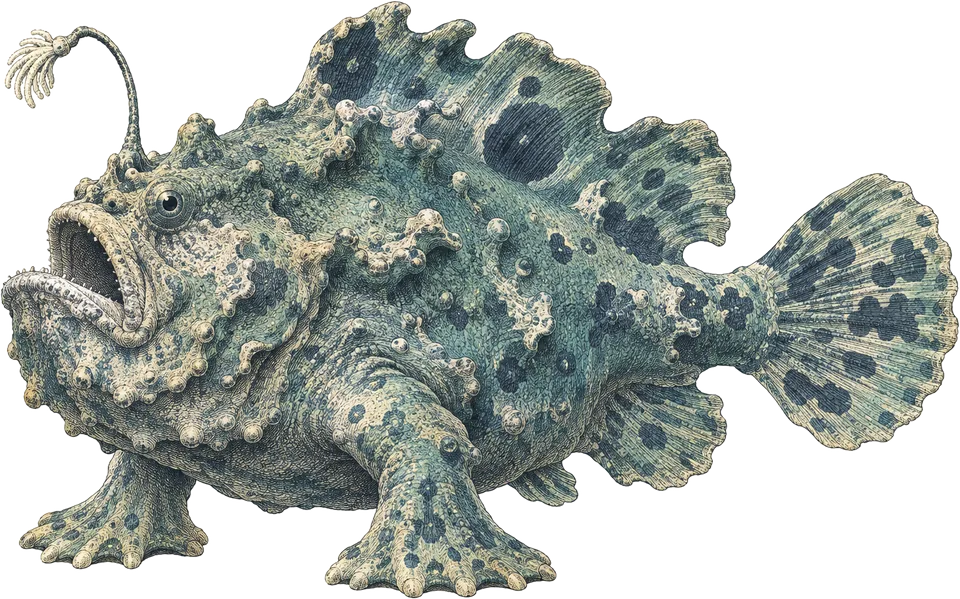
Double Wreck, Triple Wreck
Slow search of ballast stones and seagrass at 12 to 18 m.1
Resident; a guide improves the odds.
Grand Canyon, Anchor Point, Hangover
Deeper southern walls and reef edges below 18 m.3
Regular but not on every dive.
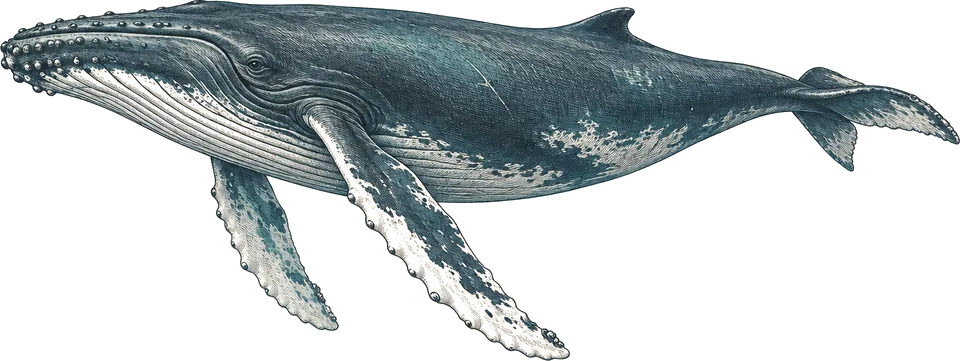
Channel between Statia and St Kitts
Seen from the boat in the channel towards St Kitts; no in-water encounters.4
Seasonal migration; surface sightings only.
Compiled from the sources above, last checked 2026-11-12. Monthly conditions come from our own climate records; see how we score.