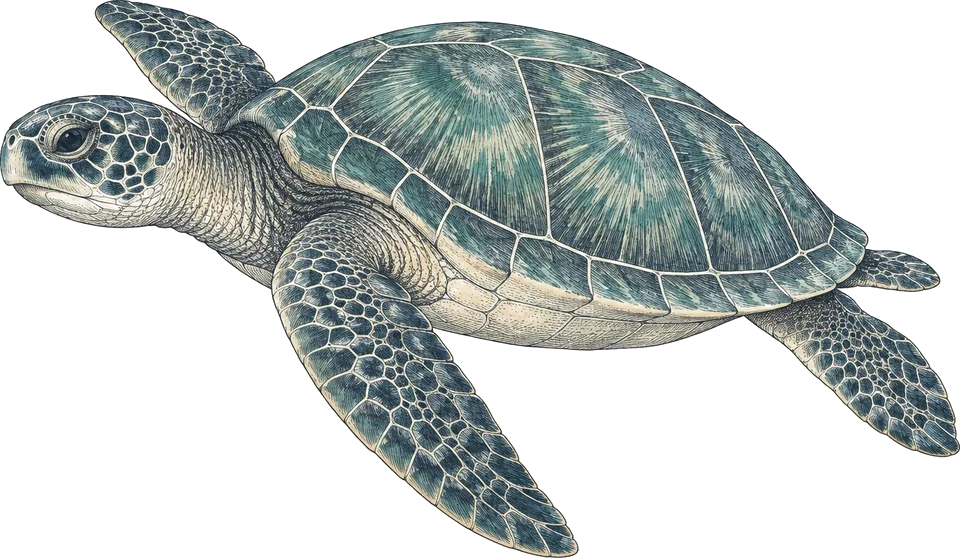
green and hawksbill turtles
All yearPlaya Porto Mari, Watamula
Shallow shore dives over sea grass and reef top, especially near fishing piers.4
Common on many shore dives.
The best time to dive Curaçao is December to April, the dry season, when operators report the clearest water and our data shows the calmest seas. It's diveable all year at 26 to 28 °C, south of the main hurricane belt, and September and October bring coral spawning. I'd go in February.
Operators say: December to April, the driest and clearest months; diving runs all year and storms rarely reach the island. Our data agrees on December to March and rates April good; it scores May to September lowest on swell.
Worth knowing: 42% of days see seas over 1 m.

By Eugen. Based on 10 sources, checked 12 November 2026.
111 km across · coastline from Natural Earth 10m
Curaçao is a shore-diving island. A fringing reef runs along the sheltered south-west coast, with more than 60 sites, most of them entered from a beach with a rental pick-up and a tank. The reef starts shallow and drops off from about 9 m, so one site often covers a shallow macro dive and a wall. Independent diving is allowed, and most sites have little current. The exceptions are the north-western tip at Watamula and the east end, which are boat-dived drifts, and the north coast, which is too rough.
The water is 26 to 28 °C all year and visibility usually 15 to 30 m. December to April is the dry season; October to December brings most of the rain. The island sits south of the main hurricane belt, so June to November is usually diveable, and coral spawning in September and October draws divers out at night. Willemstad's Curaçao Medical Center has a recompression chamber.
Hover a month to isolate it.
| January | February | March | April | May | June | July | August | September | October | November | December | |
|---|---|---|---|---|---|---|---|---|---|---|---|---|
| Conditions | Excellent | Excellent | Excellent | Good | Poor | Poor | Poor | Moderate | Poor | Good | Good | Excellent |
| Water temp (°C) | 27 | 27 | 27 | 27 | 28 | 28 | 28 | 29 | 29 | 29 | 29 | 28 |
| Visibility (m) | 20–30 | 15–25 | 20–30 | 20–30 | 20–30 | 20–30 | 20–30 | 20–30 | 20–30 | 25–35 | 25–35 | 20–30 |
| Marine life | Steady | Steady | Steady | Steady | Steady | Steady | Steady | Busy | Busy | Busy | Steady | Steady |
| Best time | Peak | Peak | Peak | Peak | Peak |
Long-term averages, 2016–2025. Visibility is estimated from satellite chlorophyll-a. Water temperature is the surface mean; it is cooler at depth.
Diving conditionsThe wind is up. It rains less.
Diving conditionsIt rains more. The wind eases.
366 underwater observation records · 23 surveyed years of ocean data · 10 years of sea temperature
Dashed: monthly average. Band: eight days in ten.
10th to 90th percentile rangemonthly mean
Seas top 1.0 m on 62% of days. Enough to cancel a shore entry
Gusts over 40 km/h, about where a day boat stays in port
1 of them bring heavy rain
| Month | Swell | Gusts over 40 km/h | Wet days | Heavy rain | Air | Daylight |
|---|---|---|---|---|---|---|
| Jan | 1.5 m | 2% | 14 | 0 | 29 °C | 11.4 h |
| Feb | 1.5 m | 3% | 12 | 0 | 29 °C | 11.6 h |
| Mar | 1.5 m | 3% | 10 | 0 | 30 °C | 11.9 h |
| Apr | 1.4 m | 0% | 6 | 0 | 30 °C | 12.3 h |
| May | 1.6 m | 3% | 7 | 0 | 31 °C | 12.6 h |
| Jun | 1.6 m | 2% | 13 | 0 | 31 °C | 12.7 h |
| Jul | 1.5 m | 1% | 13 | 0 | 31 °C | 12.6 h |
| Aug | 1.3 m | 1% | 10 | 1 | 31 °C | 12.4 h |
| Sep | 1.2 m | 0% | 8 | 1 | 32 °C | 12.1 h |
| Oct | 1.3 m | 1% | 15 | 1 | 31 °C | 11.7 h |
| Nov | 1.4 m | 0% | 21 | 2 | 30 °C | 11.4 h |
| Dec | 1.3 m | 0% | 19 | 1 | 29 °C | 11.3 h |
Swell is the rough end of the month: nine days in ten come in under it. Sea temperature covers 10 years, waves 4.
Darker is better, against this site's own year. Pick a month for its weeks.
| Week 1 | ||||||||||||
|---|---|---|---|---|---|---|---|---|---|---|---|---|
| Week 2 | ||||||||||||
| Week 3 | ||||||||||||
| Week 4 |
| Week | Conditions | Water | Swell | Wind | Rain chance |
|---|---|---|---|---|---|
| Week 1 | Excellent | 27 °C | 1.3 m | 27 km/h | 53% |
| Week 2 | Excellent | 27 °C | 1.4 m | 27 km/h | 47% |
| Week 3 | Good | 27 °C | 1.5 m | 29 km/h | 45% |
| Week 4 | Excellent | 27 °C | 1.5 m | 29 km/h | 41% |
| Week 1 | Good | 27 °C | 1.5 m | 29 km/h | 45% |
| Week 2 | Good | 27 °C | 1.6 m | 31 km/h | 47% |
| Week 3 | Good | 27 °C | 1.6 m | 30 km/h | 43% |
| Week 4 | Excellent | 27 °C | 1.3 m | 28 km/h | 37% |
| Week 1 | Excellent | 27 °C | 1.3 m | 28 km/h | 34% |
| Week 2 | Excellent | 27 °C | 1.4 m | 30 km/h | 32% |
| Week 3 | Good | 27 °C | 1.6 m | 30 km/h | 31% |
| Week 4 | Good | 27 °C | 1.6 m | 30 km/h | 29% |
| Week 1 | Moderate | 27 °C | 1.5 m | 31 km/h | 23% |
| Week 2 | Excellent | 27 °C | 1.4 m | 31 km/h | 16% |
| Week 3 | Excellent | 27 °C | 1.4 m | 30 km/h | 18% |
| Week 4 | Good | 27 °C | 1.3 m | 31 km/h | 22% |
| Week 1 | Poor | 28 °C | 1.6 m | 32 km/h | 24% |
| Week 2 | Poor | 28 °C | 1.6 m | 34 km/h | 23% |
| Week 3 | Poor | 28 °C | 1.6 m | 34 km/h | 20% |
| Week 4 | Moderate | 28 °C | 1.5 m | 32 km/h | 24% |
| Week 1 | Moderate | 28 °C | 1.5 m | 32 km/h | 28% |
| Week 2 | Poor | 28 °C | 1.6 m | 33 km/h | 39% |
| Week 3 | Poor | 28 °C | 1.6 m | 32 km/h | 50% |
| Week 4 | Poor | 28 °C | 1.6 m | 32 km/h | 47% |
| Week 1 | Poor | 28 °C | 1.6 m | 31 km/h | 45% |
| Week 2 | Poor | 28 °C | 1.5 m | 31 km/h | 46% |
| Week 3 | Poor | 28 °C | 1.4 m | 31 km/h | 40% |
| Week 4 | Moderate | 28 °C | 1.4 m | 31 km/h | 35% |
| Week 1 | Poor | 28 °C | 1.3 m | 31 km/h | 36% |
| Week 2 | Poor | 29 °C | 1.3 m | 30 km/h | 35% |
| Week 3 | Poor | 29 °C | 1.3 m | 28 km/h | 33% |
| Week 4 | Good | 29 °C | 1.3 m | 28 km/h | 30% |
| Week 1 | Poor | 29 °C | 1.3 m | 28 km/h | 26% |
| Week 2 | Poor | 29 °C | 1.3 m | 26 km/h | 22% |
| Week 3 | Moderate | 29 °C | 1.2 m | 26 km/h | 23% |
| Week 4 | Poor | 29 °C | 1.1 m | 25 km/h | 32% |
| Week 1 | Excellent | 30 °C | 1.2 m | 24 km/h | 40% |
| Week 2 | Excellent | 30 °C | 1.2 m | 25 km/h | 43% |
| Week 3 | Moderate | 29 °C | 1.4 m | 25 km/h | 46% |
| Week 4 | Moderate | 29 °C | 1.4 m | 24 km/h | 56% |
| Week 1 | Excellent | 29 °C | 1.3 m | 23 km/h | 63% |
| Week 2 | Moderate | 29 °C | 1.5 m | 23 km/h | 69% |
| Week 3 | Good | 29 °C | 1.4 m | 24 km/h | 73% |
| Week 4 | Excellent | 29 °C | 1.3 m | 25 km/h | 68% |
| Week 1 | Excellent | 28 °C | 1.3 m | 26 km/h | 61% |
| Week 2 | Excellent | 28 °C | 1.3 m | 27 km/h | 57% |
| Week 3 | Excellent | 28 °C | 1.3 m | 27 km/h | 60% |
| Week 4 | Excellent | 27 °C | 1.3 m | 27 km/h | 64% |
10 years of daily records, averaged into weeks.
Sized for each month's coldest water.
| Jan | Feb | Mar | Apr | May | Jun | Jul | Aug | Sep | Oct | Nov | Dec | |
|---|---|---|---|---|---|---|---|---|---|---|---|---|
| Suit | 3 mm | 3 mm | 3 mm | 3 mm | skin | skin | skin | skin | skin | skin | skin | 3 mm |
Suit row is for surface water. At depth: 3 mm full suit year-round. Hard-soled booties for rocky shore entries; torch for night dives and coral spawning. Many shops sell tank packages for shore diving.
Each month's rough end: nine days in ten are calmer.
Amber is over 1.0 m.
4 of the last 30 Septembers saw a tropical storm pass within 250 km. Anything has been recorded Jun–Nov.
Share of the last 30 years with a storm that month.
| Species | When | Observed window | Reliability | Evidence | Records |
|---|---|---|---|---|---|
| Green turtle | All year | Near-guaranteed | 222 | ||
| Hawksbill turtle | Aug–Oct | Likely | 90 | ||
| Spotted eagle ray | All year | Likely | 17 | ||
| Loggerhead turtle | Jul | Hit-or-miss | 12 | ||
| Southern stingray | Feb, Sep, Nov | Hit-or-miss | 9 |
Logged sightings, not a full survey. How to read this table.
| Site | Depth | Level | What to expect |
|---|---|---|---|
| Tugboat (Caracas Bay)wreck | 5–12 m | Open Water | Small coral-covered tug in shallow water off Tugboat Beach; the nearby pier has seahorses, octopus and tarpon. Easy shore entry, and the one I'd do first.1 |
| Superior Producerwreck | 18–30 m | Experienced | Cargo ship upright on sand off Willemstad at 18 to 30 m, wheelhouse open to explore, with large fish schools. Advanced only; I'd leave it until I had the depth.1 |
| Alice in Wonderland (Playa Kalki)reef | 9–28 m | Advanced | Easy shore entry; shallow macro, then a drop-off from about 9 m with mushroom-shaped corals, turtles and rays.2 |
| Mushroom Forestreef | ≈ 10–18 m | Open Water | Boat dive over a maze of large mushroom-shaped coral heads with swim-throughs; 20 to 30 minutes by boat from the west end.2 |
| Watamuladrift | 9–25 m | Advanced | North-west tip; often a drift past large coral heads at 9 to 24 m, with bait balls and turtles. Usually dived by boat.2 |
| Playa Porto Maridouble reef | 5–25 m | Open Water | Shore dive over a double reef, suitable for all levels; sea turtles are often seen.1 |
| Black Sand Wreck (Catherine)wreck | 4–7 m | Open Water | 37 m wreck split in two and lying upside down in about 6 m, surrounded by garden eels; encrusted with brain corals and sponges.4 |
Playa Porto Mari, Watamula
Shallow shore dives over sea grass and reef top, especially near fishing piers.4
Common on many shore dives.
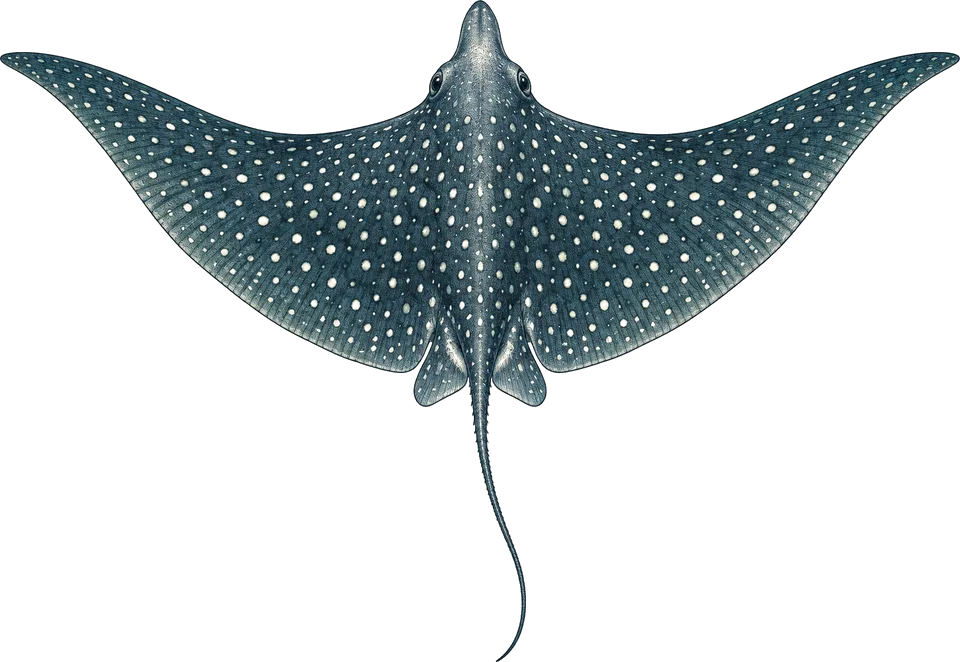
West-end boat sites
Watch the sand channels and the blue off the drop-off.4
Regular on west-end boat dives.
Tugboat, west-end reefs
Slow, shallow dives searching soft corals and pier pilings.2
Resident; a guide raises the odds.
South-west coast reefs
Night dives on the reef in the week after the full moon.2
Predictable in September and October.
Compiled from the sources above, last checked 2026-11-12. Monthly conditions come from our own climate records; see how we score.